She Spent 15 Years Inside One of China's Most Competitive Markets. Here's What It Actually Taught Her.
Liang Xiaohua didn't plan to build a business in Shuibei. But 15 years in, she's still here, and most people who started when she did are not.

Around 2010, Liang Xiaohua started selling jewelry to her friends.
It wasn't a business plan. Her family had a sideline in jewelry, former colleagues kept asking for help sourcing pieces, and she found herself learning just fast enough to stay useful. Diamond grading. Gold purity standards. How to size a ring for someone who isn't in the room. She picked it up the way most people learn things in a market like Shuibei: because a customer needed her to know it, and she didn't yet.
"Customers were pushing me to learn," she says. "That's how it started."
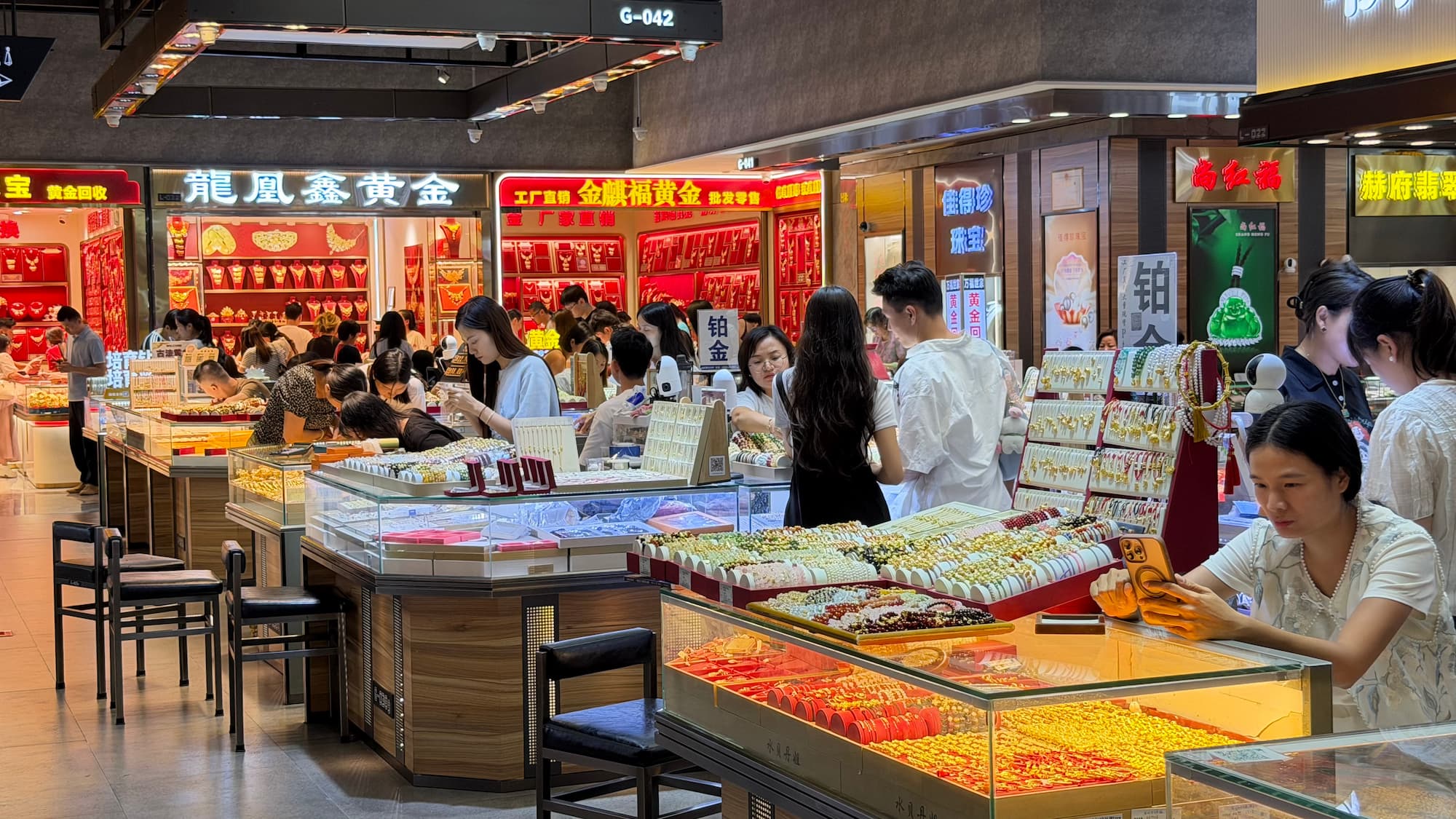
Fifteen years later, she is still in Shuibei, still full-category, still adding clients. Some of those early customers have now sent their children to her, and their children's children. She mentions, almost in passing, that tomorrow a grandmother and her pregnant daughter are coming in to shop for a baby due next Thursday. The third generation of the same family, arriving before they've even arrived.
In a market with over 9,000 registered businesses crammed into barely a square kilometer, where styles change seasonally and e-commerce has made price comparison instant and ruthless, building that kind of continuity is not an accident. It is the result of a series of decisions, some deliberate, some forced, about what kind of business to be.

The Market She Walked Into
Shuibei in 2010 was a different place.
It was already China's dominant jewelry wholesale hub, the origin point for roughly 70 to 80 percent of the jewelry sold nationally, online and offline. But the consumer dynamic was simpler. E-commerce existed, but jewelry was a trust category with high unit prices, and most buyers still came in person. Demand outpaced supply. Customers had limited ways to educate themselves before a purchase. If you were in the market and you knew your product, business was relatively straightforward to build.
"Back then, customers couldn't just go on Xiaohongshu and read reviews," Xiaohua says. "They trusted you to know what they didn't."
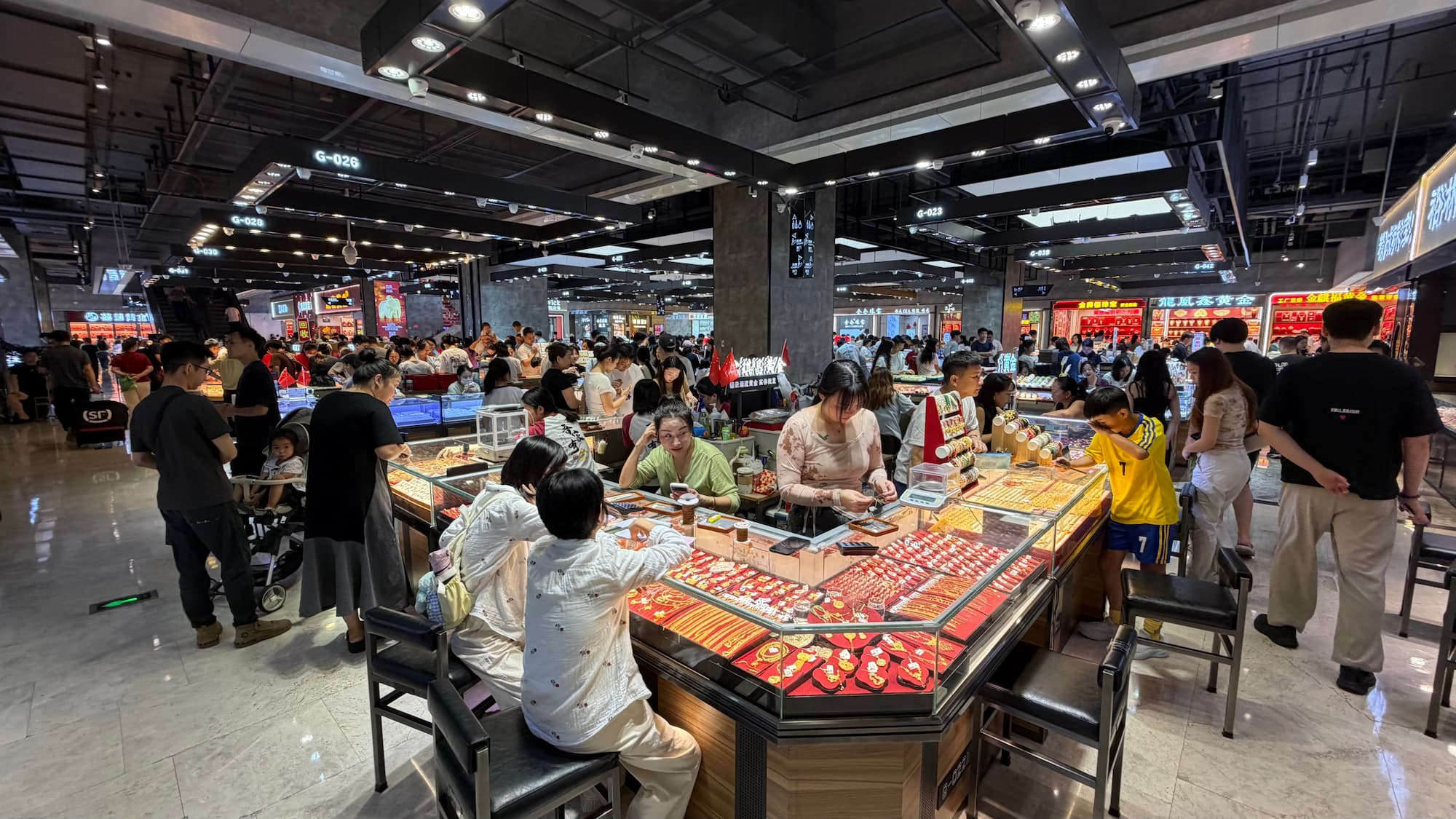
That dependency created opportunity but also responsibility. Xiaohua's early growth came not from great marketing or a prime location, but from being the person who could actually explain what someone was buying. The 4Cs of a diamond. The difference between pure gold and 18K. Why a piece that looked identical to another was priced half as much. Most of her peers were learning the same things. The ones who learned faster, and communicated it more clearly, earned the clients.
She built steadily through those years. Not spectacularly, but durably.
When the Market Shifted
The environment that made Shuibei easy to enter no longer exists.
By the mid-2010s, e-commerce had matured enough to reach jewelry. Platforms that once struggled with trust and high ticket sizes found solutions: live-streaming, social proof, return guarantees, influencer endorsements. The private domain economy gave individual sellers direct access to buyers across the country. Xiaohongshu turned consumer research into a social activity. Suddenly, the information asymmetry that had protected physical market vendors mostly disappeared.
Supply caught up with demand, then exceeded it. Styles began cycling faster. Margins compressed. The customer who walked in already knowing today's gold spot price, having compared six vendors on their phone before entering the building, became the norm rather than the exception.
"Now it's supply exceeding demand," Xiaohua says without drama. "Styles change fast. Channels are everywhere. Any customer can find what they want very quickly."
For many vendors, this shift was brutal. Businesses built on availability and information advantage had neither of those advantages anymore. The market thinned. Xiaohua watched it happen around her.
What she had built, however, was harder to replicate than availability or information. She had relationships. She had a track record long enough to mean something. And she had made a quiet but consequential decision about what kind of business she was actually running.
The Decision That Changed the Business
At some point in her first several years, Xiaohua stopped thinking of herself as a jewelry seller and started thinking of herself as a jewelry consultant.
The distinction sounds semantic. It isn't.
A seller's job ends at the transaction. A consultant's job is ongoing. It includes telling clients when not to buy, which is the harder part. It includes understanding their financial situation well enough to give advice that has nothing to do with closing a sale today. It includes being available for ring resizing, gold refreshing, and market timing questions that generate no immediate revenue but keep a client relationship alive for years.
"It's not just selling and buying," she says. "It's a long-term service."
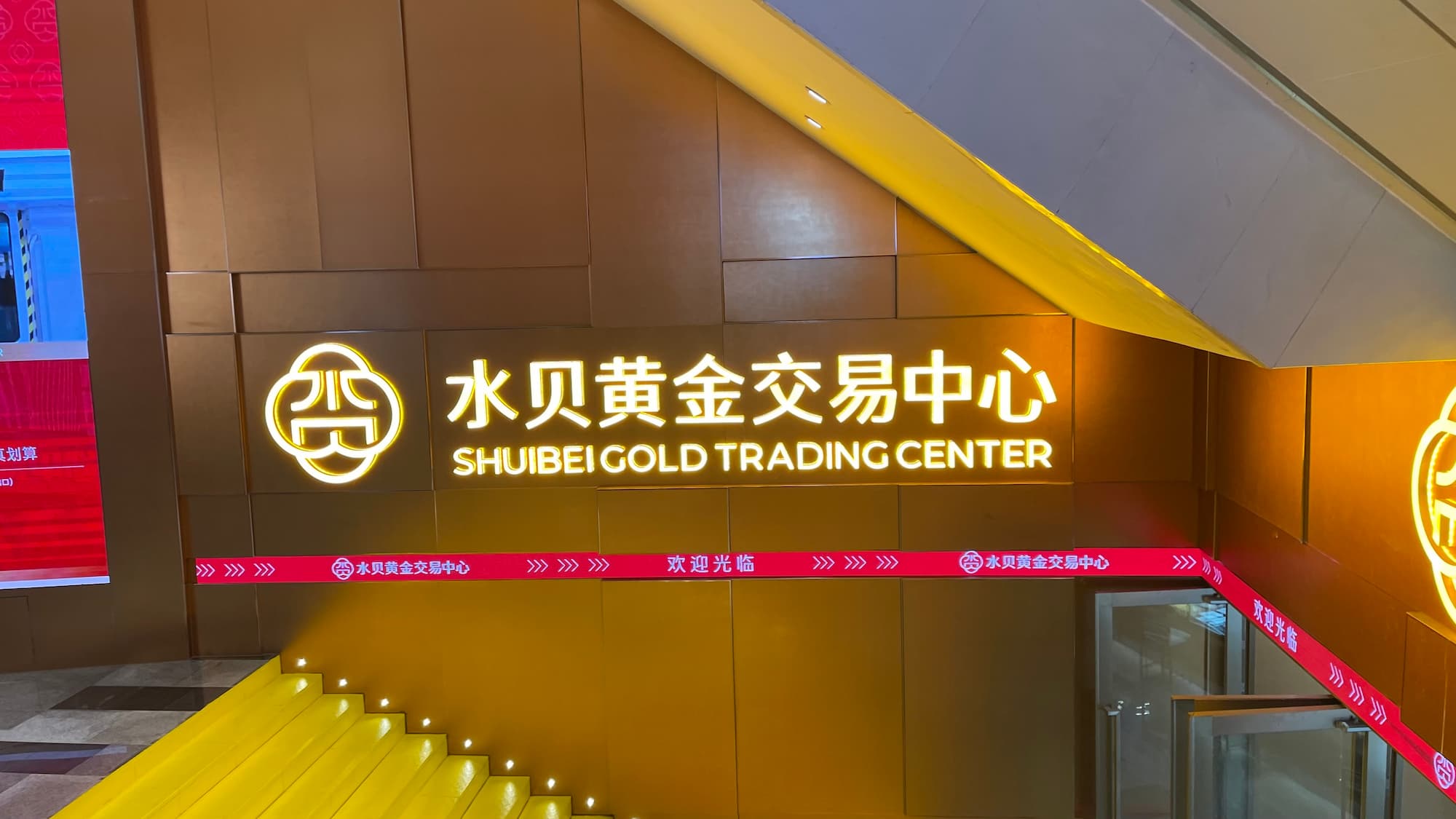
The most concrete expression of this is what she calls jewelry asset allocation: helping clients think about precious metals and gemstones not only as things to wear but as stores of value to be accumulated and timed thoughtfully. Gold bought by her clients at 200 or 300 RMB per gram years ago has multiplied in value. She advised those purchases. She also advised against others.
The morning we spoke, a client had called asking about buying silver. She told him to wait.
"It wasn't the right moment," she says. "That kind of advice takes years to give. You have to have lived through several cycles of the market to have any real feel for it. And once someone trusts you enough to ask, you owe them the honest answer."
That willingness to say wait, or no, is what makes the yes credible. It is also, she would probably not say directly, the reason her clients keep coming back.
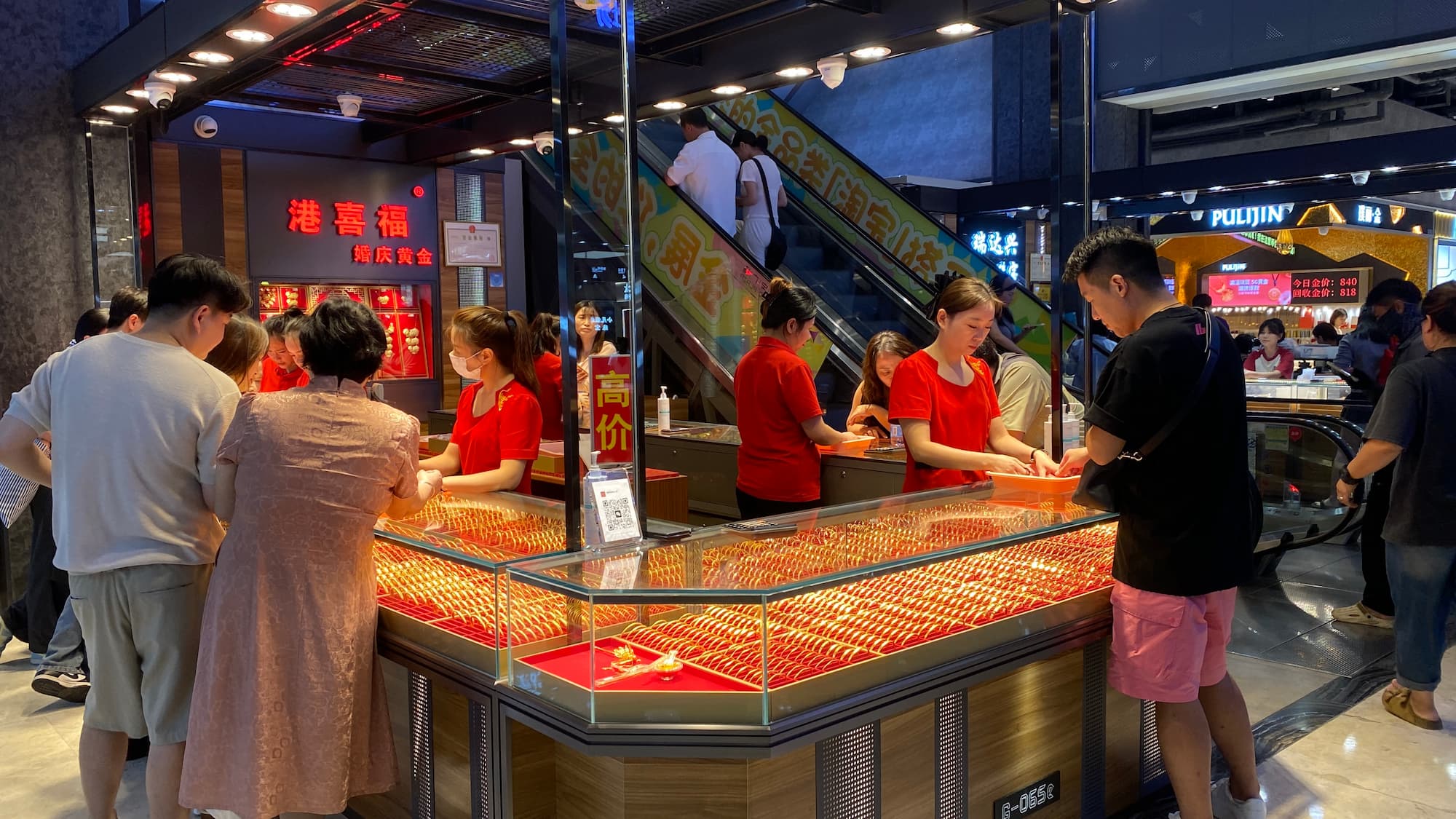
What the Market Demands Now
China's jewelry market has kept growing even as it has gotten harder to compete in. Domestic gold jewelry consumption reached 198 tons in the first quarter of 2023 alone, the strongest quarterly demand in eight years. The proportion of Gen Z consumers wanting to buy gold jewelry increased from 16 percent in 2016 to 59 percent in 2021, driven in part by a generation that thinks about gold simultaneously as fashion and financial instrument. By 2024, over 60 percent of Shuibei's customers were under 35.
This is a more demanding customer than the one Xiaohua started with. They arrive having done research. They compare prices in real time. They have opinions about aesthetics that shift faster than product cycles. And they are not loyal to vendors by default. Loyalty has to be earned, repeatedly, through actual usefulness.
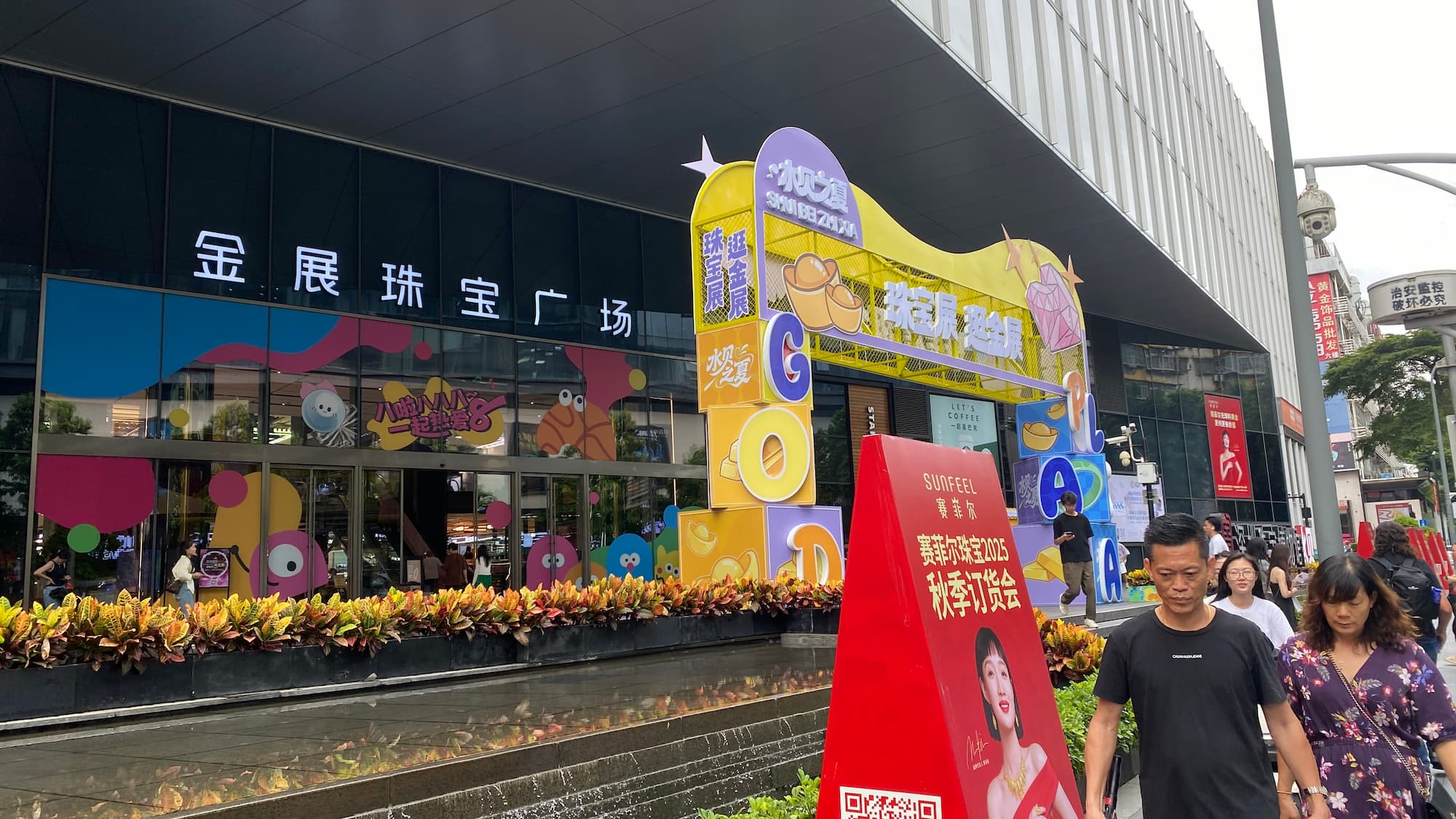
Xiaohua's framework for operating in this environment comes down to three things she named almost reflexively: professional knowledge, competitive pricing, and genuine service. She is quick to add that this was true in 2010 too. The fundamentals haven't changed. What changed is how hard each one is to execute.
"Professional knowledge is harder now because the customer is more informed," she says. "Pricing is harder because comparison is instant. And service has to go further because the alternatives are always one search away."
The businesses that have not survived in Shuibei are, in her telling, mostly the ones that competed on the things that commoditized: product availability, basic information, low price. The ones that have lasted are the ones that built something harder to copy. A reputation. A relationship. A track record of advice that turned out to be right.

What Fifteen Years Actually Produces
Xiaohua is not a large operation. She is full-category, serving retail consumers, small resellers, and some wholesale buyers, accumulated over 15 years of showing up and being useful. She does not describe her business in terms of scale or growth trajectory. She describes it in terms of what her clients need.
That framing, modest as it sounds, is probably the point.
Shuibei is a market where the visible opportunities are obvious and the barriers are low. Anyone can open a stall. Anyone can source product. The question the market has always asked, and asks more harshly now than it did in 2010, is whether you are building something that compounds over time or something that competes on factors that will eventually be competed away.

Xiaohua's answer to that question has been consistent since the beginning, even if she arrived at it gradually rather than by design. Be the person whose clients don't need to look elsewhere. Not because you're the cheapest, or the biggest, or the most convenient. Because you're the one they trust to tell them the truth.
"You can't keep a customer for 15 years by knowing less than they do," she says. "You have to actually be useful."
In a market of 9,000 businesses, that is both the simplest and the hardest thing to be.
Liang Xiaohua has worked in Shuibei's jewelry market for 15 years, operating across full product categories including gold, silver, diamonds, colored gemstones, jade, and custom orders. She works with both individual consumers and wholesale buyers.