How a Former Teacher Found Her Place in Fashion By Picking the Right Products and Store Locations

Ryn never studied design, but her instinct helped shape a brand—one decision at a time.
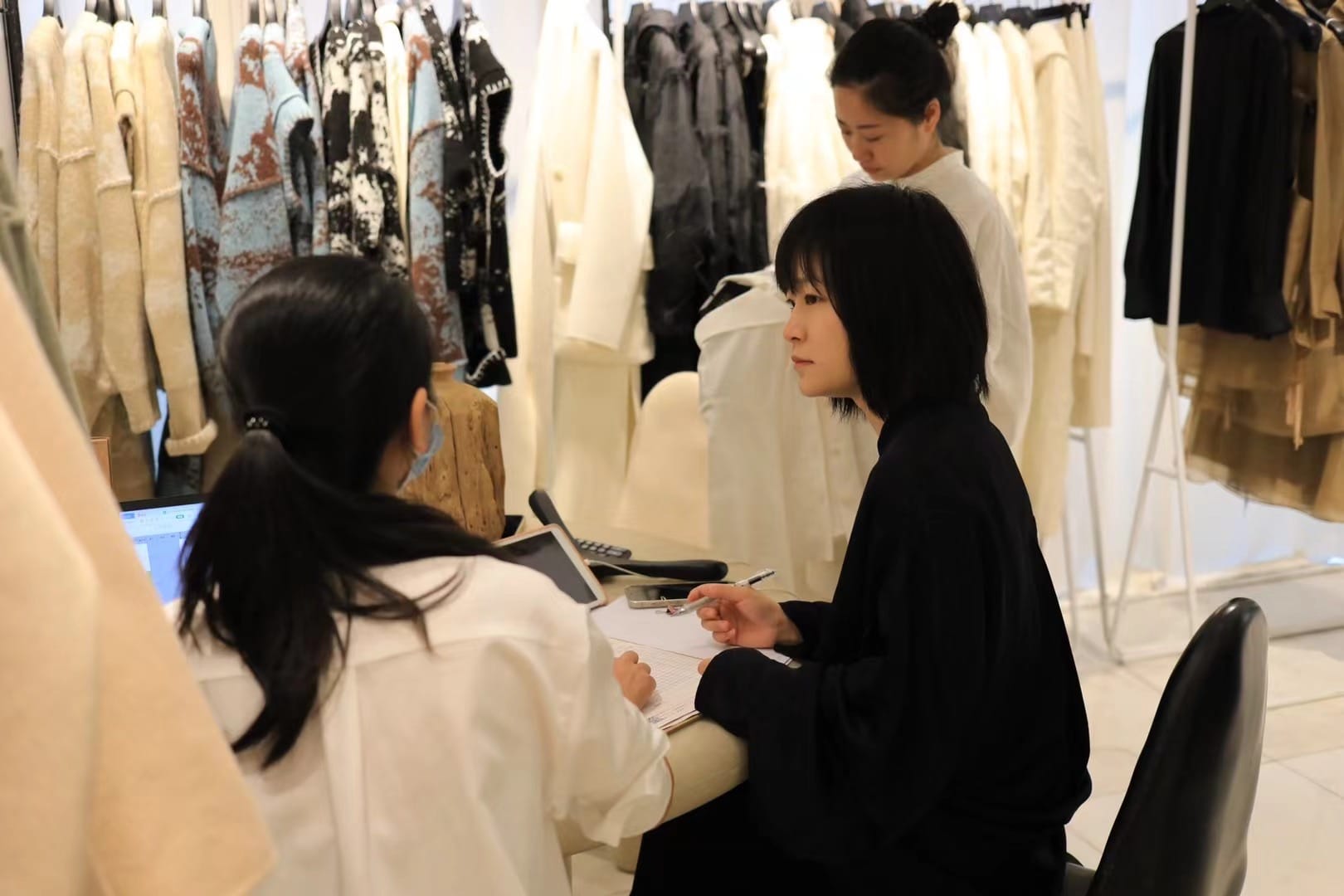
Ryn didn’t enter fashion through the front door.
She didn’t have a design degree, startup capital, or a plan.
But over the years, she’s become the kind of person you want in the room when decisions matter, especially when it comes to selecting the right products and choosing the right store locations.
Her journey wasn’t loud.
But her decisions quietly helped shape the direction of a business.
A Summer Side Project That Sparked Something Real
In 2016, Ryn was visiting her sister’s company during the summer holidays. A collection was under production, each piece needing a hand sewn magnolia flower. With time running out, she jumped in to help.

“I didn’t think too much of it, I just sat down and started working. But I realized I really liked it. I felt calm and focused. That’s when I started thinking this could be something more.”
Looking back, the moment didn’t come out of nowhere.
As a child, Ryn was always drawn to small details in clothes, imagining how things could be tweaked, reshaped, or refined. Her mother had an old Butterfly brand sewing machine at home, and the sound of it running in the background became part of daily life.

“My mom used to sew at home, and I’d watch her, then try little things myself with fabric scraps. I think it quietly shaped my sense of proportion and texture, even if I didn’t realize it at the time.”
That summer, when she picked up the scissors and thread, it all felt oddly familiar.
That quiet, hands on moment wasn’t the beginning of something completely new. It was a return to something she’d always carried with her.

From Quiet Contributor to Key Decision Maker
At first, Ryn supported wherever she was needed. But over time, she began contributing to product selection and her input stuck.
She wasn’t guessing. She was observing. Listening. Combining client feedback with what felt right.

“We don’t force bestsellers,” she says. “We care about how a piece makes someone feel easy, natural, not trying too hard. If they feel good wearing it, that’s the point.”
She blended emotional insight with real world context what regular customers gravitated toward, what styles people wore again and again, and what simply didn’t sell. Her strength wasn’t just taste, it was judgment.

How a Xiamen Trip Turned Into an Unexpected Design Win
During a trip to Xiamen, Ryn stayed in a quiet traditional guesthouse. On the door hung a decorative character: 福 (fortune). But hidden within the brush strokes, she noticed something clever, two faint characters embedded inside: 自由 (freedom).

It was subtle, but powerful.
“I thought, wow, that’s such a beautiful way to express both good fortune and the idea of being free.”
She returned home and turned that moment into a set of embroidered coasters made from light summer silk. Each featured a different version of the 福 character, stitched by hand. They were given to long-time clients as New Year gifts.
“They weren’t for sale, just a gesture. But people loved them. Some even asked to buy extras.”
It wasn’t about mass production. It was about connection, design rooted in memory, culture, and feeling.
Store Location Isn’t Just About Foot Traffic. Here’s What to Look For
While product instincts earned Ryn trust, her ability to evaluate retail locations became another key contribution to the business.
After a challenging experience opening a store in Hangzhou where the mall didn’t understand their brand, imposed rigid vendor restrictions, and lacked the right energy, Ryn got more involved in location selection.

Here’s what she learned and now applies every time:
1. Don’t just trust the hardware
A beautiful space doesn’t mean a successful store.
“One location had all the right specs—clean design, great neighborhood, good layout. But the vibe wasn’t right. And the mall team didn’t understand original design brands. It didn’t work.”
2. Visit more than once and observe everything
Ryn personally visits every site multiple times, looking beyond brochures and presentations.
She checks:
- Natural foot traffic (not just opening day buzz)
- Nearby brands and whether they attract a similar customer
- Staff energy and customer behavior on regular days

3. Pay attention to the operator’s mindset
“If they treat you like a number or give you one size fits all policies, that’s a red flag. A good location supports the brand it doesn’t try to control it.”
4. Don’t fall for proximity traps
She once turned down a spot directly opposite a high performing complex.
“Just being across the street from a successful mall doesn’t guarantee anything. Energy doesn’t copy paste.”
Months later, that complex underperformed validating her choice.
A Career That Didn’t Look Like One at First
Ryn didn’t set out to build a career in fashion. She followed her instincts, paid attention, and leaned into the parts that felt meaningful.
She doesn’t call herself a designer, a strategist, or a founder.
But her decisions have helped shape the business in ways that matter.
“I took the long way around,” she says. “But I found where I’m supposed to be.”

Still Hands On, Still Learning
Even now, Ryn keeps an industrial sewing machine in her living room. She uses it almost daily sewing, testing, creating.
“It helps me pay attention to details. When I sew something myself, I understand the garment in a different way.”

Her focus isn’t on chasing trends. It’s on crafting something thoughtful whether it’s a new product or a new space.