From Power Systems to Smart Security: How Leo Built a 20-Year Business in Shenzhen
Leo’s 20 year journey spans from power systems to smart security exports. Quietly adapting to market shifts, he now focuses on overseas growth balancing industrial roots with evolving consumer needs. A grounded story of persistence and reinvention from Shenzhen.

In 1997, Leo moved from Changsha to Shenzhen. At the time, he had no plans to start a business. He was a young engineer trained in industrial automation, with early experience in China’s national power grid.
But like many who landed in Shenzhen during its explosive growth, he eventually saw the city not just as a place to work but a place to build.
From National Projects to Entrepreneurial Curiosity
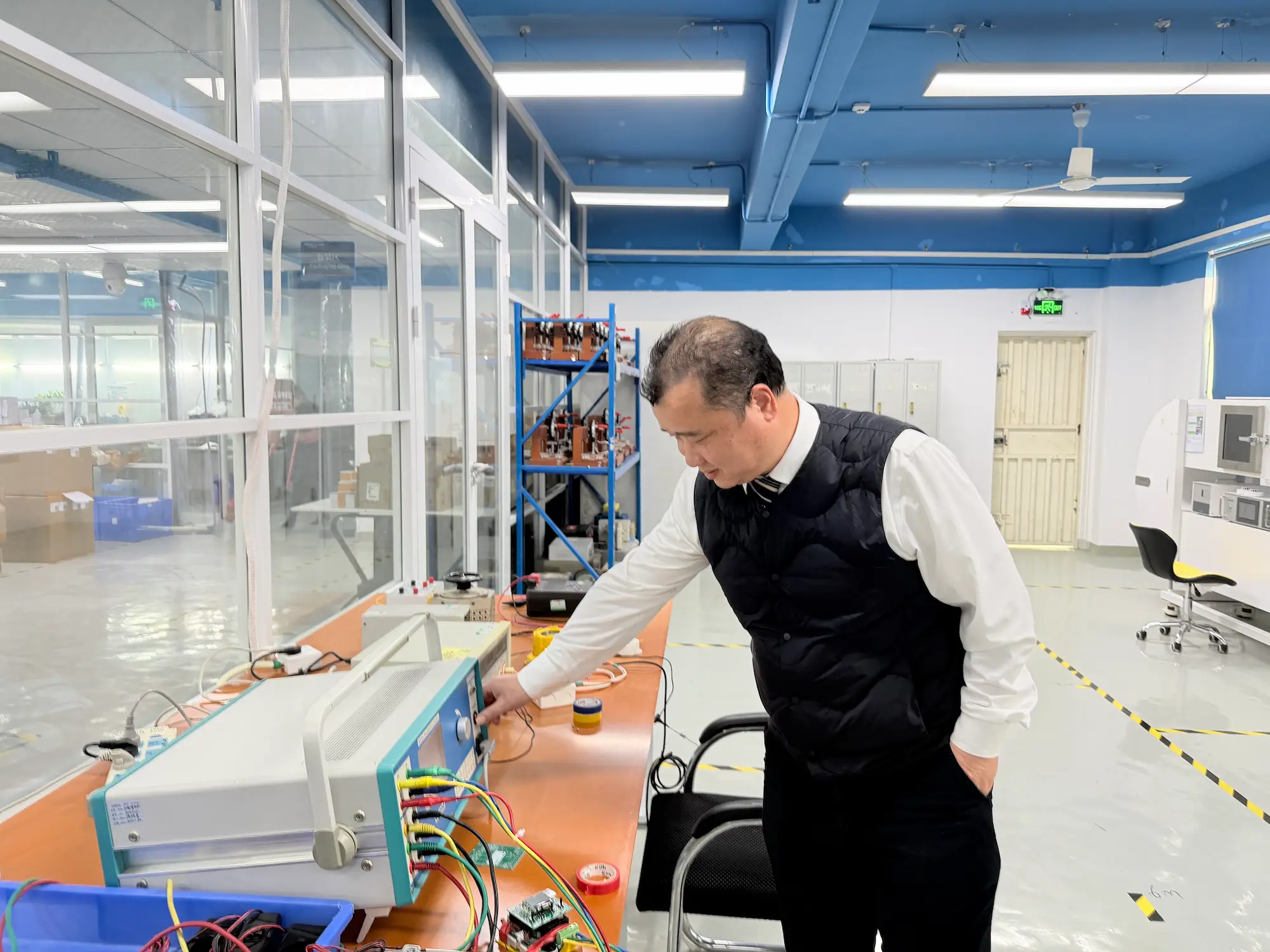
Leo graduated from Hunan University with a degree in industrial automation. In the early ’90s, he was already teaching himself programming and tinkering with hardware. He even bought his own computer in 1993, a rare move at the time and often sat in on computer science classes outside his core curriculum.
His early professional years were spent at a research institute, helping develop control systems for power plants and high-voltage transmission lines. The projects were technically advanced and tightly structured. But for Leo, the exposure to international systems like GE, ABB, Siemens was invaluable.

“That experience gave me both a technical foundation and a sense of how complex systems operate and where the gaps were.”
Starting Small in a Locked-Up Market
When Leo moved to Shenzhen in 1997, he joined a company involved in grid automation. By 2000, he decided to start his own business.
The original plan? Keep building for the power industry.
He and his team began designing control devices for substations. But they quickly discovered a hard truth: the national grid wasn’t a level playing field. Procurement was centralized, and dominated by state-backed giants and foreign incumbents.
“We could build the tech, but we couldn’t break into the system. Getting into the State Grid or Southern Grid as a small private player — it was near impossible.”
They needed a new angle.
An Unexpected Path into Security
The opportunity came from outside the grid.
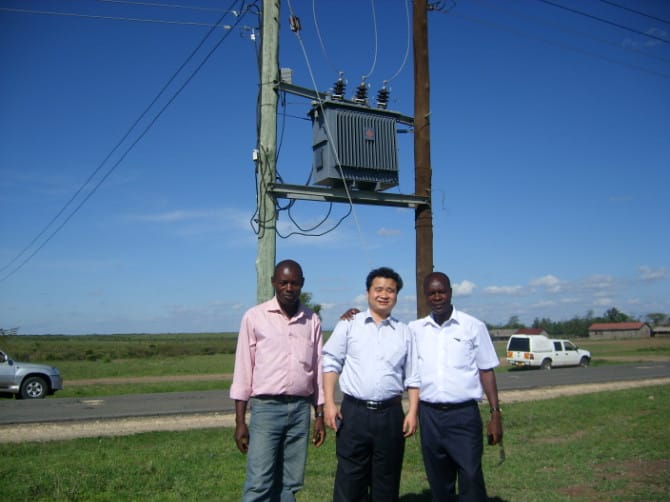
Some of Leo’s early clients and contacts pointed out a different problem: outdoor utility infrastructure, things like transformers, base stations, and small substations was often unguarded and prone to theft or vandalism.
This wasn’t about power delivery. It was about protection.
“We started thinking: could we apply our skills in monitoring and automation to outdoor security?”
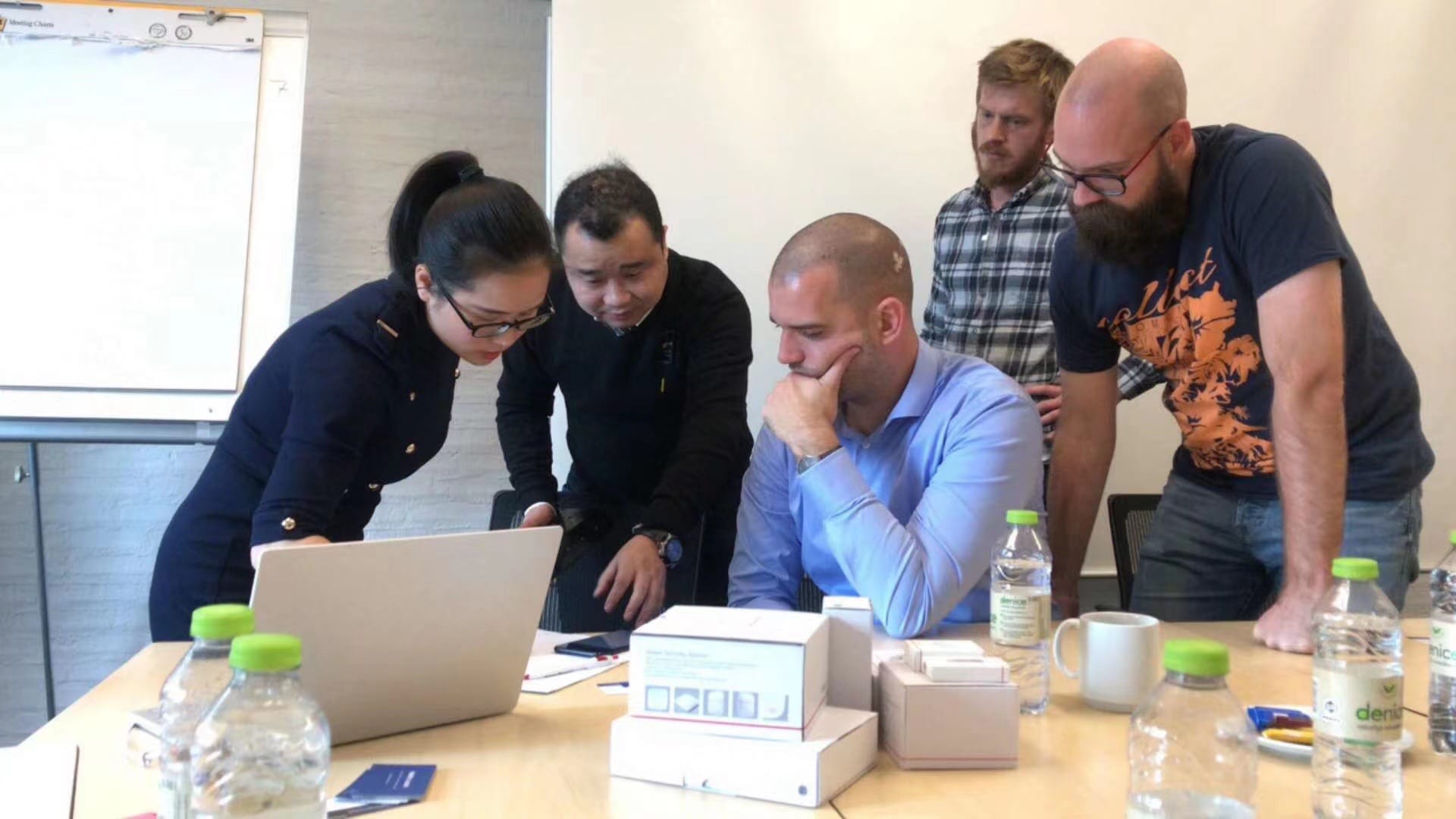
In 2003, Leo’s company began pivoting into the security space. Their first focus was ruggedized, remote security systems for outdoor and industrial environments especially locations that couldn’t rely on permanent staffing.
Betting Early on Wireless Before the Market Was Ready
At the time, most security systems still used landlines for communication. Leo’s team wanted to do something different: use mobile networks (GSM/2G) for real-time alerts and remote monitoring.
“Back then, few believed in wireless for alarms. Data was expensive, and people worried about reliability.”
The transition wasn’t easy. Clients were cautious. It took years before the market caught up.
But by 2007, things started to shift. They landed a substantial overseas order from Russia, and later expanded into Eastern Europe, Africa, and the EU, regions where fixed-line infrastructure was limited, and wireless made sense.
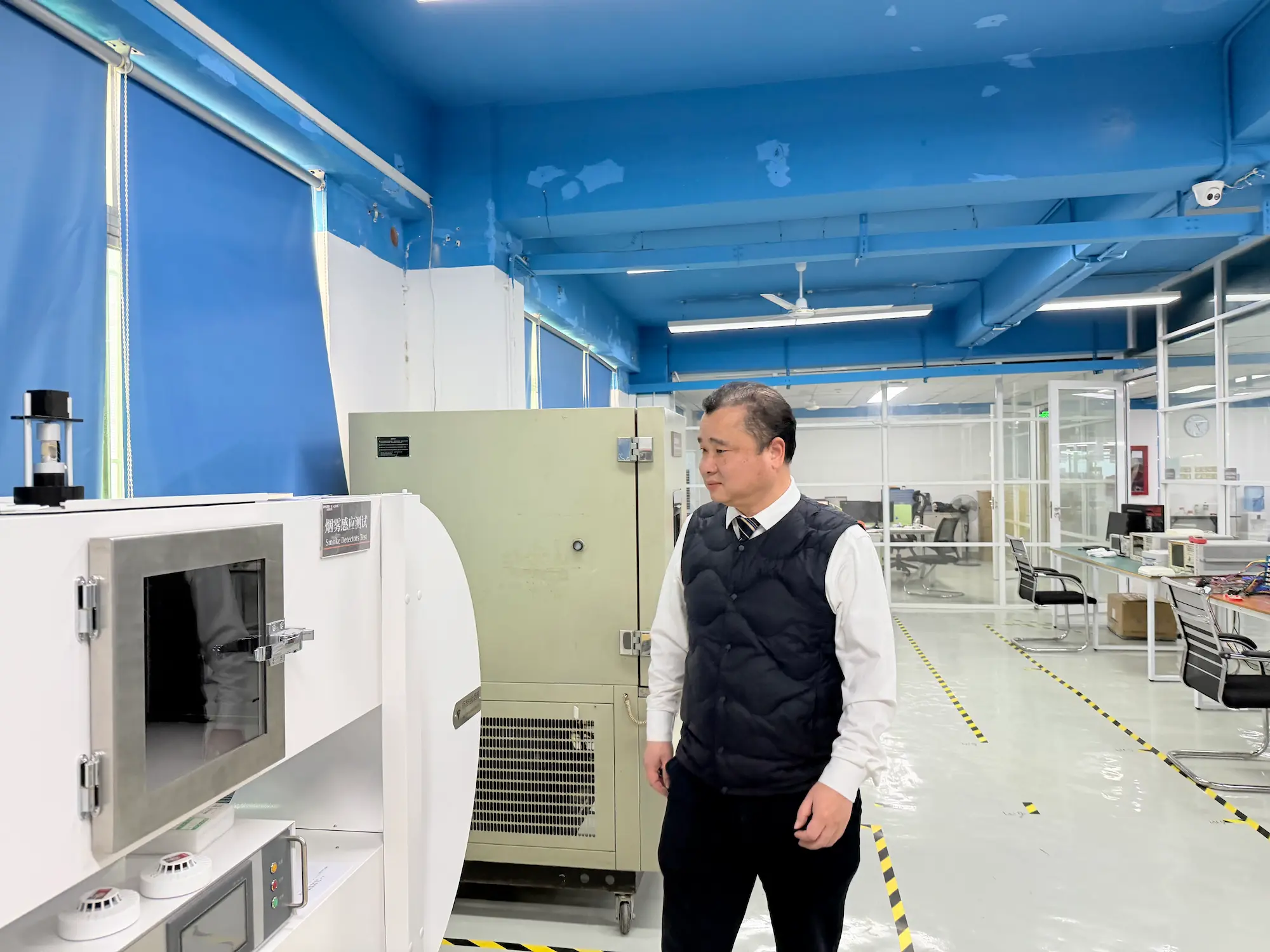
Looking back, Leo says:
“We were willing to challenge the default. Not because we had better foresight, but because we had nothing to lose. It gave us an edge.”
From Industrial Systems to Home Security
At first, all their deployments were industrial. But at a Shenzhen security expo, something changed.
“We noticed overseas clients, especially from Europe asking about home security.”
The demand was clear. So they adapted. With their dual-network (landline + GSM) tech already mature, they developed a more consumer-friendly line aimed at home users.
This marked a second turning point. Around 2013, as smart home devices began to emerge, Leo’s team rolled out mobile apps, cloud dashboards, and a broader ecosystem of connected products.
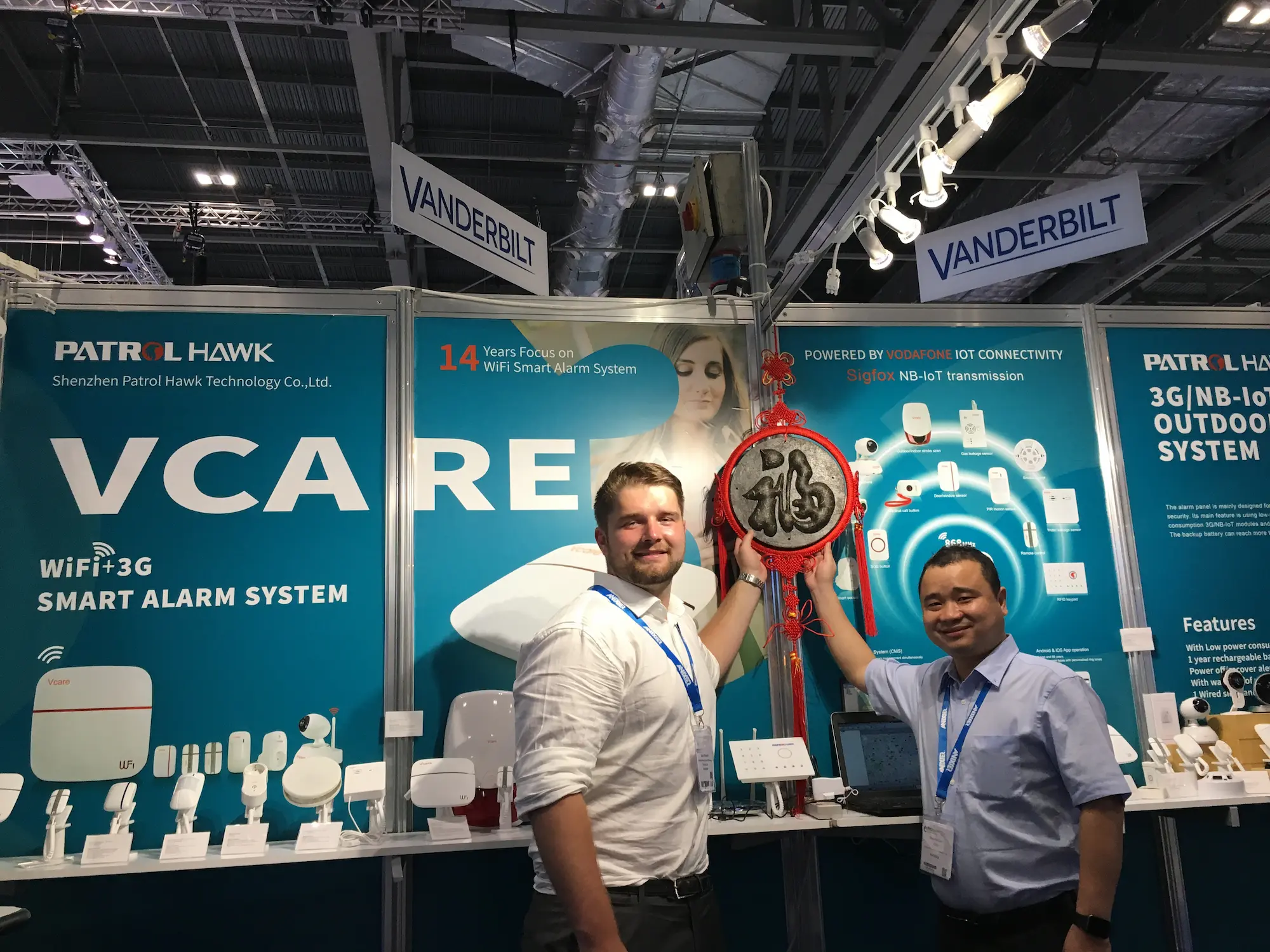
“We didn’t set out to make consumer products, we just followed the signals. Overseas demand pulled us there.”
Today, household security is a major part of their overseas business.
Why Overseas? Not Because It’s Easy, But Because China's Market Is Brutal
Ask Leo why his company now focuses more heavily on international markets, and he doesn’t hesitate:
“Because China is too competitive.”
He explains:
- Margins are razor-thin
- Customer expectations evolve rapidly
- Price wars are constant
- And many clients now expect full-stack systems with service guarantees
“You might build a great product, but still struggle. It’s not about quality — it’s about surviving the environment.”
Globally, the shift is different. Post-COVID, trade shows have thinned out. Traditional B2B orders have fragmented. Finding new clients means more outbound effort: traveling, exhibiting, adapting.
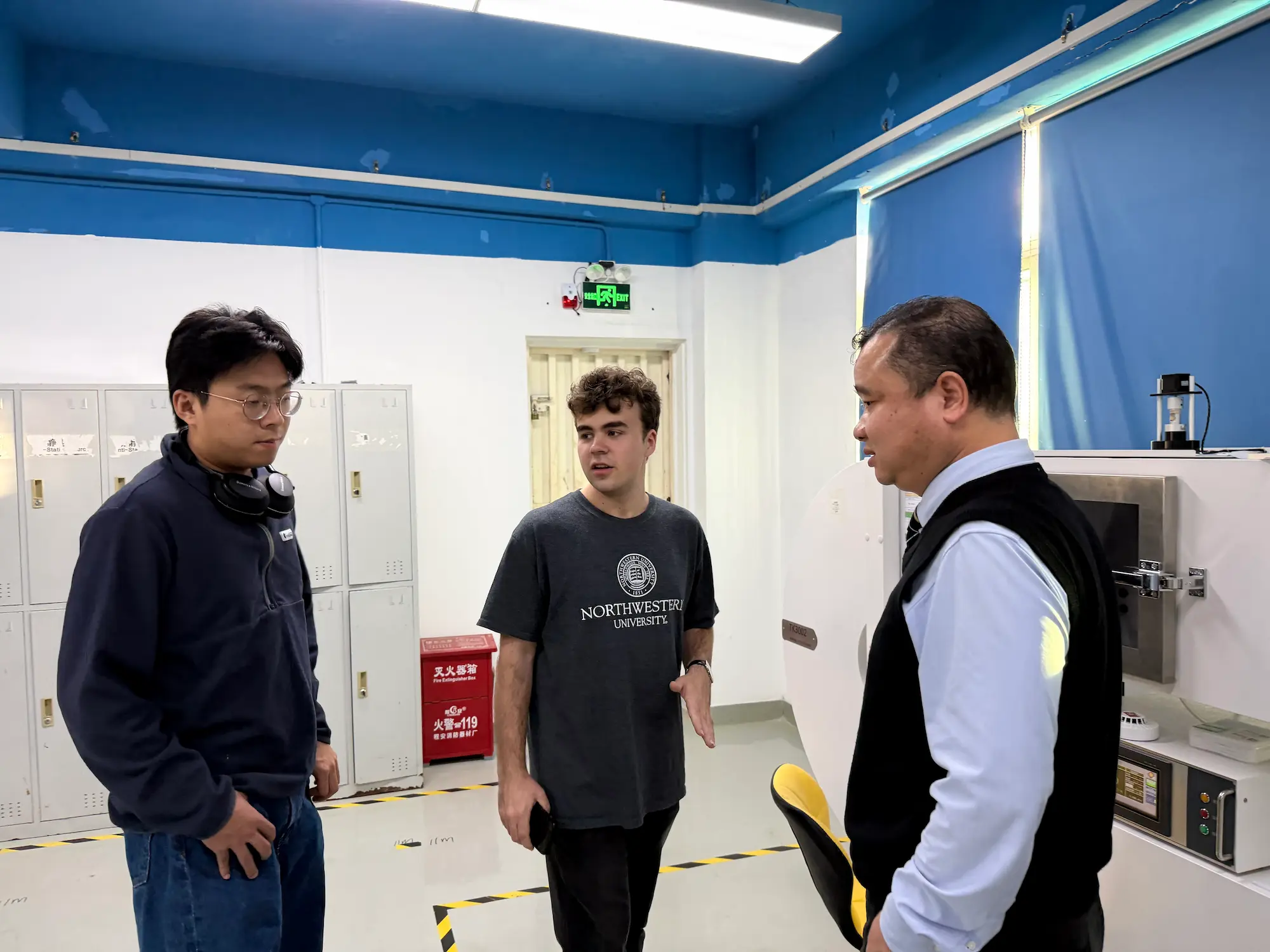
“New client acquisition has become harder — everywhere. But at least overseas, there’s more room to differentiate.”
Their strategy now is clear: keep core R&D in Shenzhen, but grow through tailored solutions abroad.
Technical Sophistication Isn’t the Issue, It’s Compatibility
Leo’s company now ships products to dozens of countries. All of them come with modern IOT capabilities, cloud connectivity, and mobile integration.
But there’s a twist: many units still include 2G compatibility.
“It’s not because we’re behind, it’s because the infrastructure out there is uneven.”
In markets like Africa, South Asia, and even parts of Eastern Europe, GSM remains the most stable and cost-effective option. In Europe, high data costs and patchy coverage mean Wi-Fi and wired Ethernet are still dominant.
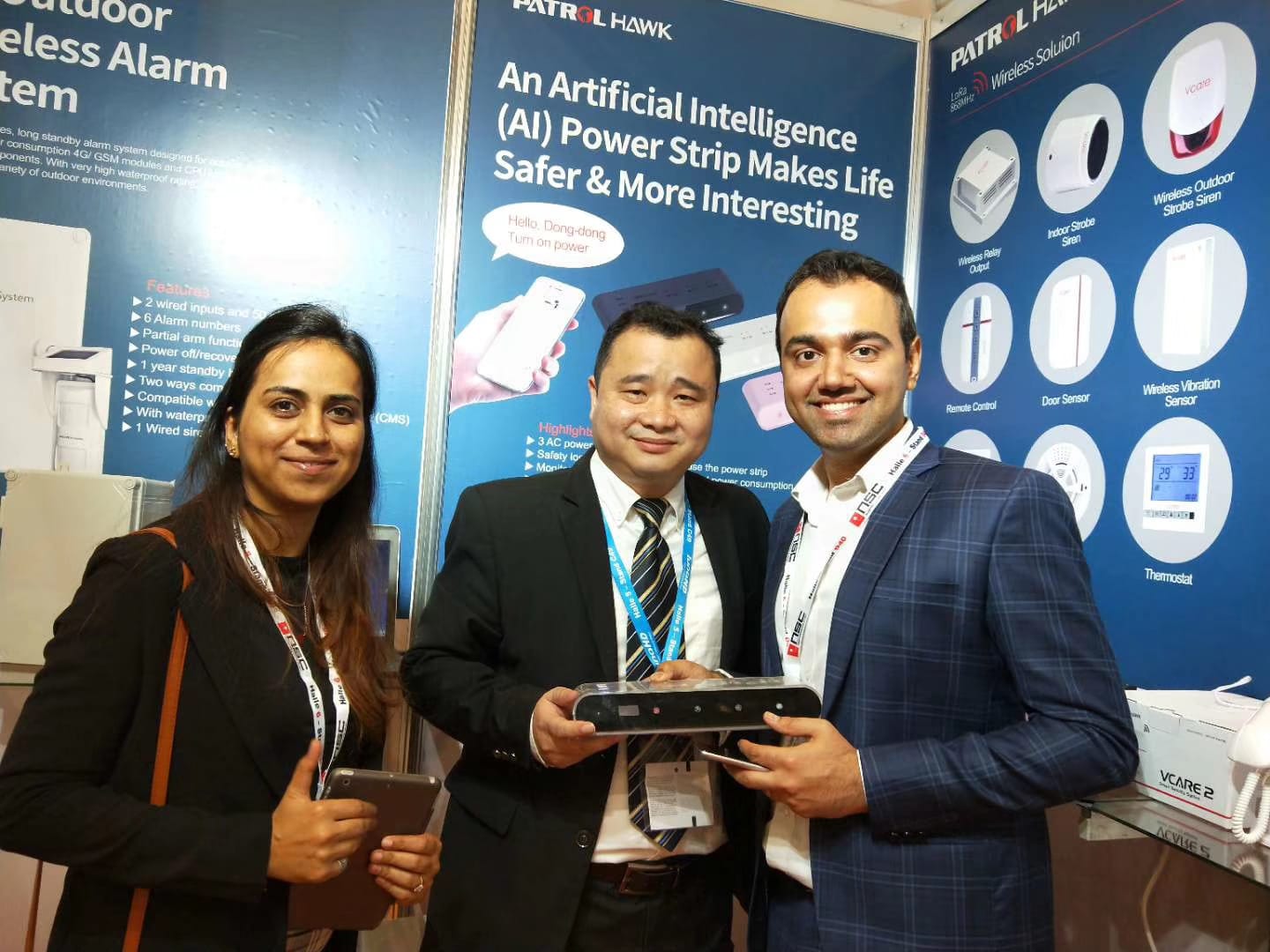
Leo puts it simply:
“Building modern products means building for the conditions your users actually live in.”
From Devices to Solutions: The Next Layer
After two decades of hardware development, Leo sees the future in integration.
His team has already built out a cloud platform. They’re now layering in AI and scenario-specific logic — especially for applications like:
- Fire detection in dense urban areas
- Elder care and fall alerts for seniors living alone
- Municipal-level safety systems with remote monitoring
“We don’t just sell devices anymore. We design systems that solve real problems — and we support them.”
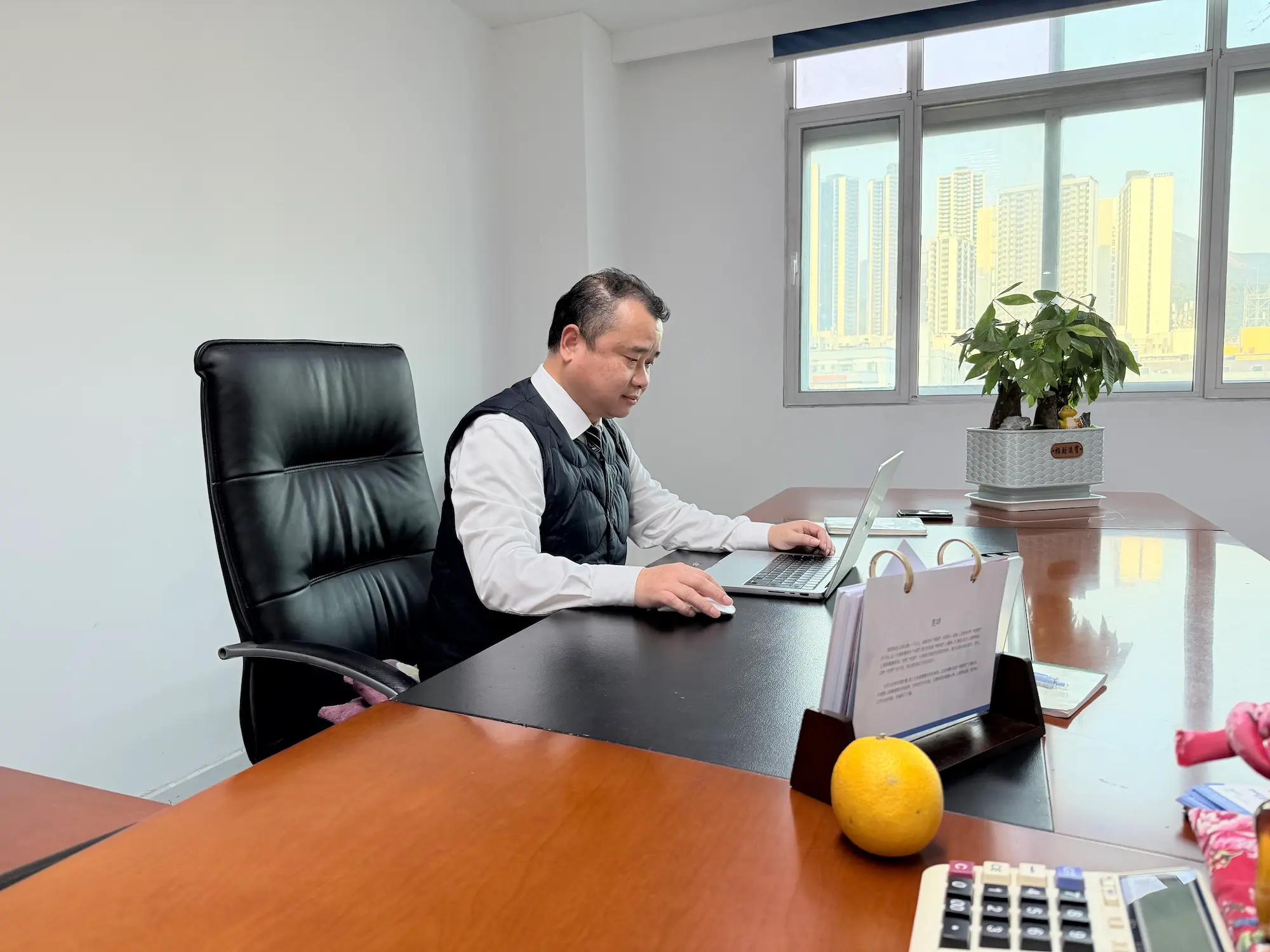
This shift from product maker to solution provider is strategic. Clients increasingly want full-service partnerships, not just hardware drops.
Final Thoughts
Leo’s journey isn’t flashy, no funding announcements, no growth hacks, no viral tech.
But it’s real. It’s the kind of story that shows how long-term entrepreneurs adapt to the market around them, not just once, but over and over again.
From national grid systems to outdoor alarms. From rugged industrial deployments to home security. From selling in Shenzhen to scaling across Europe and Africa.
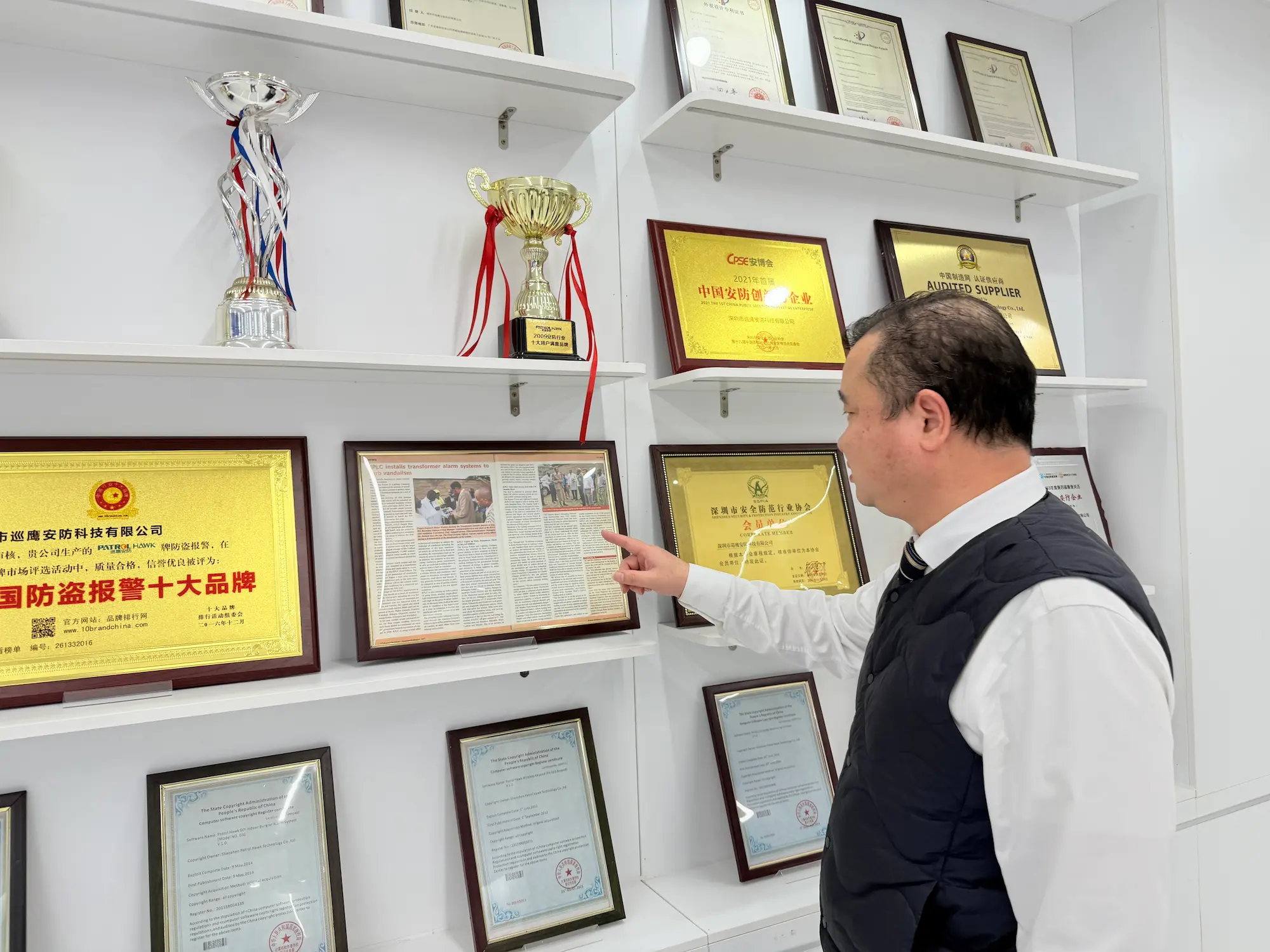
“Going global isn’t about escaping competition,” Leo says. “It’s about learning how other markets work and building systems they trust.”
For founders watching the tide turn, his lesson is simple:
Don’t wait for the market to come to you.
Study it, build for it and go meet it where it is.